






















The Fast-Moving Consumer Goods (FMCG) sector has undergone significant transformations over the past few decades, evolving to meet changing consumer needs and preferences. With a diversified portfolio of packaged food, beverages, personal care products, and other essentials, the FMCG and packaged food industry remains a cornerstone of global markets.
Riding on the back of exponential growth in demand and a rapidly expanding consumer base, many third-party packaged food and FMCG businesses are now transitioning from privately owned entities to publicly traded companies.
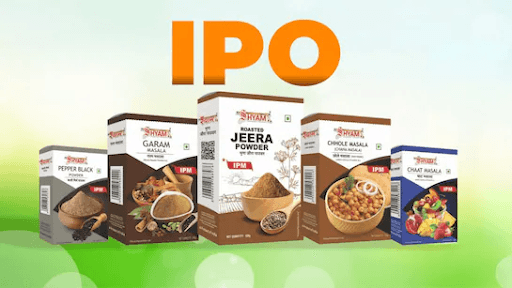
In this regard, one of the most talked-about entrants into the public markets is Shyam Dhani Industries. The Shyam Dhani Industries IPO is generating significant attention across the investment ecosystem, with analysts and retail investors closely monitoring its trajectory. This article explores the broader movement of such businesses entering public markets, with a specific focus on the Shyam Dhani Industries IPO.
FMCG and Packaged Food: A Booming Industry
The FMCG sector has consistently acted as an engine of resilience and growth, even during periods of economic uncertainty. As developing economies like India experience rising disposable incomes and changing consumption patterns, the FMCG and packaged food landscape continues to expand.
Globally, the FMCG sector is valued at trillions of dollars, with India playing a crucial role in its continued expansion. One of the key drivers of this growth is the increasing demand for packaged food products. Urbanization, busy lifestyles, and convenience-based consumption habits have accelerated the adoption of ready-to-eat meals, snacks, frozen foods, and health-focused packaged products.
This growing demand has encouraged third-party manufacturers to seek public funding in order to scale operations and strengthen production capabilities.
The Trend Among Third-Party Packaged Food Companies
Third-party manufacturers, often operating behind established brands, are emerging as important contributors to the FMCG ecosystem. These companies produce goods for larger brands or offer white-label manufacturing services for retail chains and distributors.
As global brands increasingly outsource manufacturing to improve efficiency and reduce costs, third-party manufacturers have developed strong operational capabilities, scalable production infrastructure, and reliable supply chains. These factors have made them increasingly attractive to investors.
Companies such as Shyam Dhani Industries are leveraging this opportunity by moving toward public markets. This transition not only enables access to capital but also supports brand development, market recognition, and expansion into direct-to-consumer business models.
Shyam Dhani Industries IPO: A Major Milestone for the FMCG Sector
The Shyam Dhani Industries IPO represents an important development for investors looking to participate in the growth of both FMCG and packaged food manufacturing businesses. The company has established itself as a trusted third-party manufacturer within the Indian FMCG space and is now preparing for its next phase of growth through public listing.
Why the IPO Matters
The IPO reflects several evolving industry trends:
- Expansion of Manufacturing Capability
The company plans to utilize IPO proceeds to enhance manufacturing capacity, improve automation, and increase operational efficiency.
- Growing Demand for Packaged Food
Rising consumption of ready-to-eat and convenience-based food products has strengthened the company’s strategic positioning within the sector.
- Increasing Consumer Awareness
Consumers are increasingly prioritizing hygiene, quality, and sustainability, encouraging manufacturers to improve production standards.
- Public Investment Opportunities
The IPO enables retail and institutional investors to participate in the company’s growth journey within a relatively stable sector.
Understanding IPO Subscription
The IPO subscription process plays a major role in determining investor participation during a public offering. It refers to investors applying for shares during the IPO period.
Typically, IPOs are divided into multiple investor categories:
- Qualified Institutional Buyers (QIBs)
- Non-Institutional Investors (NIIs)
- Retail Individual Investors (RIIs)
Market discussions indicate that the c for Shyam Dhani Industries may attract strong interest due to the company’s presence in a consumption-driven sector with consistent demand patterns.
Key Details on Shyam Dhani Industries IPO
- Issue Size
Funds raised are expected to support expansion, brand development, and working capital requirements.
- Expected Valuation
The company is anticipated to enter the market with a valuation aligned with industry benchmarks.
- Investor Interest
The IPO has generated attention among investors tracking growth in FMCG manufacturing companies.
- Growth Potential
Expansion plans and product diversification may support medium- to long-term growth opportunities.
Lessons from the Shyam Dhani Industries IPO
The IPO highlights several broader industry takeaways:
- Adaptability Drives Growth
Companies that adapt to changing consumer preferences and production demands tend to scale faster in the FMCG sector.
- Investor Preference for FMCG Businesses
Stable demand and recurring consumption make FMCG companies attractive for long-term investment considerations.
- Importance of Branding
Third-party manufacturers are increasingly focusing on building independent brand identities after entering public markets.
- Scaling Through Public Capital
Access to public funding enables companies to expand facilities, enter new markets, and diversify product portfolios.
Conclusion
The Shyam Dhani Industries IPO represents a significant moment in the evolving FMCG and packaged food industry. As third-party manufacturers move into public markets, they are reshaping traditional industry structures and creating new growth opportunities.
For investors focused on long-term sectoral growth and consumption-driven industries, IPOs in this segment reflect the ongoing transformation of manufacturing-led businesses into publicly recognized brands. As more companies follow this path, public markets are expected to play an increasingly important role in driving innovation, expansion, and value creation across the FMCG landscape.