






















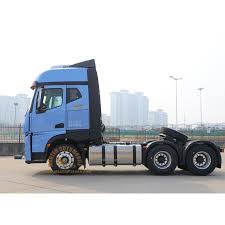
A prime mover plays a critical role in the global transport, logistics, and haulage industries, offering the pulling capacity, power, and stability required to move everything from containers and machinery to general freight. Regardless of your sector, selecting the right prime mover can significantly influence operational efficiency, safety, and long-term profitability.
This comprehensive guide explores the most important considerations when choosing a prime mover for your business, examines the different configurations available, highlights essential features, and discusses how these machines support day-to-day commercial operations across many industries. Whether you’re an established fleet operator or expanding for the first time, this article will help you make an informed decision.
Understanding the Importance of a Prime Mover
A prime mover is the central powerhouse of any heavy-transport system. Its primary function is to tow semi-trailers and other load-bearing attachments, providing the engine capacity, braking performance, and traction needed for safe and reliable haulage.
According to information available on Wikipedia, prime movers are essential in mechanical, electrical, and transportation systems, with the term traditionally referring to a machine that converts energy into motion. This plays into the transport definition, where the vehicle becomes the driving force behind freight movement.
Across industries such as construction, mining, logistics, agriculture, and manufacturing, the right prime mover can increase productivity while reducing downtime. Today’s businesses require equipment that offers durability, efficiency, and versatility, making the choice of prime mover more strategic than ever.
Types of Prime Movers Available Today
Different applications demand different truck setups. Below is a look at the most common variations used worldwide.
Heavy-Duty Haulage Variants (Prime Mover Variation)
Heavy-duty prime movers are engineered to transport oversized or high-capacity loads across long distances. Built with stronger drivetrains, higher torque outputs, and additional safety systems, they are often used for:
- Mining machinery
- Oversize construction materials
- Bulk agricultural products
- Long-haul freight requiring high GCM ratings
These vehicles are designed to perform in demanding environments while maintaining fuel efficiency and driver comfort.
Light to Medium-Duty Prime Movers
Light and medium-duty units are ideal for businesses that require flexibility in urban or short-haul environments. These vehicles often feature:
- Smaller turning circles
- Reduced fuel consumption
- Easier manoeuvrability
- Lower operational costs
Companies in retail distribution, agricultural supply chains, or port-based operations often prefer these options because they provide reliable performance without the larger fuel and maintenance expenses of heavy-duty rigs.
Key Features to Consider When Selecting a Prime Mover
Choosing the best prime mover relies on understanding the specific needs of your business. Below are the most important factors that influence long-term performance and operational value.
Engine Capacity and Power Output (Power and Performance Variation)
At the heart of every prime mover is its engine. This determines how well the vehicle will perform when towing loads uphill, over long distances, or in challenging terrain. Key points include:
- Torque output for accelerating heavy loads
- Horsepower for steady highway cruising
- Fuel efficiency under typical operating conditions
- Reliability of the engine manufacturer
While high horsepower sounds appealing, torque is often the more important metric, particularly when working with heavy freight applications.
Transmission Systems
Many modern prime movers offer automated manual transmissions that provide smooth gear changes, improve fuel efficiency, and reduce driver fatigue. However, manual transmissions still have a place in operations demanding fine control in difficult environments.
Businesses should consider driver skill levels, road conditions, and operational fleet preferences before selecting a transmission type.
Fuel Efficiency and Operating Costs
Fuel remains one of the largest ongoing expenses in transport operations. Newer prime movers are built with optimised combustion systems, aerodynamic shaping, and smart driving modes that help reduce consumption.
Selecting a model that matches your load requirements means you avoid overspending on power your business doesn’t actually need.
Comfort, Safety, and Driver Experience
Long-haul and daily transport operations rely heavily on the wellbeing of the driver. Modern prime movers now offer advanced comfort and safety features that enhance job satisfaction and improve productivity.
Cab Design and Comfort Features (Driver Comfort Variation)
High-quality cabins help reduce driver fatigue, which is essential for safety and efficiency. Features that matter include:
- Adjustable air-suspension seating
- Ergonomic dash layout
- Improved insulation for noise reduction
- Climate control systems
- Adequate sleeping facilities in sleeper cabs
A comfortable driver is more alert, safe, and productive.
Safety and Technology Enhancements
Newer prime movers incorporate innovative technology to improve road safety. Common systems include:
- Adaptive cruise control
- Lane-keeping alerts
- Collision mitigation systems
- Electronic braking systems
- Stability control
- Telematics and onboard diagnosticsThese features not only enhance safety but also support better fleet management and reduce downtime by identifying maintenance needs early.
Prime Mover Configurations and Applications
Different sectors require different prime mover setups. Choosing the right configuration ensures that the vehicle delivers maximum value and operational consistency.
Single-Drive and Tandem-Drive Units (Configuration Variation)Single-Drive Prime Movers
A single-drive unit is often used in urban delivery settings, ports, or light-duty freight operations where traction requirements are minimal. Benefits include:
- Reduced fuel consumption
- Lower maintenance costs
- Greater manoeuvrability in tight spaces
Tandem-Drive Prime Movers
For heavy-duty applications, tandem-drive units are preferred due to their superior traction, power distribution, and ability to manage larger load weights. These are common in:
- Long-haul freight
- Mining operations
- Heavy machinery transport
How a Prime Mover Supports Business Efficiency
The role of a prime mover extends far beyond simply pulling a load. When selected correctly, it becomes a strategic asset that can significantly enhance day-to-day operations.
Improved Productivity
Prime movers help businesses meet deadlines, transport goods faster, and handle larger volumes. Productivity increases through:
- Fewer breakdowns
- Faster loading and unloading
- More efficient routing capability
- Reduced driver fatigue through modern cabin features
Reduced Maintenance and Operational Costs
Newer vehicles are engineered for durability and minimise downtime through:
- Longer service intervals
- Enhanced diagnostic technology
- Improved engine design
Choosing a reliable model upfront saves businesses thousands in the long run.
How to Choose the Right Prime Mover for Your Business
Selecting the ideal prime mover requires a structured assessment of your operational needs. Consider the following:
Evaluate Load Requirements
The weight, frequency, and type of load you intend to transport will dictate the engine power, driveline, and configuration you need.
Analyse Travel Distance and Terrain
Flat, urban roads require less power than rural or off-road transport routes. Businesses operating in mixed environments should opt for a versatile model capable of handling various surfaces.
Consider Fleet Compatibility
Think long-term. Your new prime mover should work well with existing trailers, maintenance systems, and fleet requirements.
Budget and Total Cost of Ownership
Rather than focusing only on purchase price, consider:
- Fuel consumption
- Resale value
- Warranty coverage
- Service accessibility
- Downtime risk
A well-chosen prime mover maximises value for years.
Where to Explore Prime Movers for Sale
If your business is located in Perth and you’re interested in exploring available units, you can review listings at https://westerntrucksales.com.au/stock-type/prime-movers/ for a detailed look at current prime movers for sale.
A prime mover is a foundational asset for any business involved in hauling, freight, construction, or machinery transport. Choosing the right unit ensures long-term efficiency, improved safety, and a smooth workflow across your entire operation. From engine power and fuel economy to cab comfort and safety systems, every feature contributes to your day-to-day success.
By assessing your load requirements, travel conditions, fleet compatibility, and budget, you can confidently select a prime mover that aligns with your commercial goals. With the right vehicle powering your operations, your business is positioned for reliability, growth, and improved performance across every transport task.