Category: Technology

  • How to Hire Expert Android Developers and Scale Your Business in 2026

    How to Hire Expert Android Developers and Scale Your Business in 2026

    Mobile applications drive revenue. When your business needs an Android app that performs flawlessly across thousands of device configurations, the developer you choose becomes the difference between market leadership and costly delays. Organizations face a stark reality: traditional hiring processes consume weeks sorting through unvetted proposals while competitors launch products and capture users, aligning with mobile app development trends 2026. The modern approach eliminates that friction entirely. Access to hand-vetted professionals who’ve already proven their technical depth changes how quickly you move from concept to launch. Whether you’re building a fintech MVP, integrating complex payment systems, or ensuring healthcare compliance, the right talent accelerates every milestone.

    Why Businesses Choose Fiverr Pro for Android Developer Hiring

    When hiring velocity determines competitive advantage, platforms designed around instant access to pre-screened talent eliminate the traditional bottlenecks. Fiverr Pro structures the entire engagement around what businesses actually need: certainty, speed, and accountability from the first conversation through final deployment.

    Top 1% Vetted Android Developers—Instant Hiring

    The platform accepts fewer than 1 in 100 applicants. Every freelance Android developer available has passed multi-stage technical assessments, live coding challenges simulating real-world scenarios, and English proficiency verification. You’re not wading through resumes or conducting preliminary screenings. This vetting depth covers Kotlin mastery, Jetpack Compose implementation, MVVM architectural patterns, and performance optimization across fragmented device ecosystems. When you browse profiles, you’re seeing professionals who’ve already demonstrated they can build production-grade applications that handle memory constraints, battery efficiency, and responsive UI threading.

    Zero-Risk Hiring with Money-Back Guarantee

    Financial exposure vanishes when every commitment includes a money-back guarantee. If the developer doesn’t meet your technical requirements or project expectations, you’re protected. This shifts risk entirely off your balance sheet—something legacy bidding platforms rarely offer with the same clarity. The guarantee covers both technical deliverables and communication standards, providing 24/7 support to accelerate decision-making when you need to hire android developer immediately. That protection matters when you’re building revenue-critical systems where delays compound.

    Flexible Payment Models and Financial Infrastructure

    Some android app development services fit neatly into fixed scopes—an MVP with defined features, a database migration, or UI redesign. Others evolve as you learn what users need, requiring hourly flexibility. Fiverr Pro supports both without forcing you into rigid contracts. Eligible businesses postpone expenses interest-free through Net-30 payments, paying 30 days after month-end via ACH, wire, or check. Instant credit limits up to $50,000 let you scale your Android development team immediately without waiting for budget approvals. Consolidated billing aggregates everything into a single monthly summary, saving finance teams up to 10 hours weekly. The Business Rewards Program returns value on every order through points redeemable for Fiverr Credits, gift cards, or charitable donations.

    Instant Hiring vs. The Bidding Trap: Why Speed ​​Wins

    Legacy platforms structured around proposal submissions create what we call a “time-tax”—the hidden cost of delayed revenue while you wait for bids, compare proposals, conduct interviews, and negotiate terms. Every day spent hiring is a day competitors gain ground.

    Service-as-a-Product: Hire Android Developers in Minutes

    Fiverr Pro treats hiring like ordering a product. You define your need, browse vetted profiles with transparent pricing, and initiate engagement immediately. No posting job descriptions, no waiting for proposals to trickle in, no scheduling calls with unqualified candidates. This instant hiring model through Android App Development services compress timelines from weeks to hours. When you identify a freelance Android developer whose portfolio demonstrates exactly the expertise you need—say, Jetpack Compose UI implementation or Firebase integration—you start working that same day.

    How Fiverr Pro Eliminates the Time-Tax on Revenue

    By front-loading vetting, standardizing pricing, and providing instant access, Fiverr Pro removes every delay between decision and execution. The time-tax disappears because you’re not doing work the platform has already done—technical screening, reference verification, portfolio validation. When a fintech startup needed to launch an MVP in eight weeks, they didn’t have three weeks to hire. Fiverr Pro matched them with a senior Kotlin developer in under two hours. The project started that afternoon. That velocity translates directly into earlier revenue, lower opportunity cost, and competitive advantage that compounds over every subsequent release cycle.

    Core Skills and Technical Capabilities

    Technical depth varies wildly. Understanding what separates junior contributors from architects who make strategic decisions helps you hire the right level of expertise for your specific needs.

    Kotlin and Java Mastery for High-Performance Apps

    Modern Android development centers on Kotlin, although Java remains relevant for maintaining legacy codebases. High-performance apps demand more than syntax knowledge—developers must understand coroutines for asynchronous programming, memory management to prevent leaks, and efficient background task handling that preserves battery life. When evaluating portfolios, look for evidence they’ve optimized apps to run smoothly across devices with limited RAM, inconsistent network conditions, and varying OS versions.

    Native vs. Cross-Platform: Choosing the Right Approach

    Native Android development using Kotlin and Android Studio delivers superior performance, deep OS integration, and immediate access to new platform features. Cross-platform frameworks like Flutter or React Native accelerate time-to-market when you need both Android and iOS apps simultaneously. The trade-off centers on complexity. Simple content apps work fine cross-platform. Apps requiring advanced camera functionality, Bluetooth integrations, or compute-intensive operations benefit from native code.

    Essential Android App Development Services

    Scope varies dramatically. An MVP with authentication, basic CRUD operations, and cloud storage might require 120 hours. A fintech app with biometric security, real-time transaction processing, and regulatory compliance could demand 800+ hours. Senior developers estimate accurately because they’ve built similar systems. They know where complexity hides—fragmented permissions in Android 14, background data restrictions, and the testing matrix required to ensure your app works across Samsung, Google Pixel, OnePlus, and hundreds of other device configurations.

    How to Vet and Hire: A Buyer’s Checklist

    Even with pre-vetted talent pools, asking the right questions ensures alignment between technical capability and your specific business goals.

    Key Interview Questions

    Start with architectural thinking. Ask how they’d structure an app that handles offline-first data sync with a REST API. Listen for mentions of Room for local storage, WorkManager for background sync, and conflict resolution strategies. Probe their experience with Material Design 3 and Jetpack Compose. Can they explain when to use declarative UI versus traditional XML layouts? These questions reveal whether they think in systems or just implement features.

    Evaluating Portfolios

    Green lights: Apps demonstrating adaptive layouts that work across phones and tablets, smooth animations that don’t stutter, and evidence of iterative improvement. Red flags: portfolio apps that crash on certain devices, poor accessibility implementation, or obvious Material Design violations. Ask for Google Play Store links if available. Check user reviews—do people complain about bugs, battery drain, or crashes? A developer’s portfolio tells you what they can build. User reviews tell you how well they built it.

    Technical Screening

    Simple exercises expose competence quickly. Give them a scenario: “Build a fragment that loads data from an API, caches it locally, and displays it in a RecyclerView with pull-to-refresh.” Watch how they structure the code, handle errors, and think about testing. Strong developers write modular, testable code even in timed challenges. They mention dependency injection for testability, use sealed classes for network states, and consider edge cases like configuration changes.

    Cost Breakdown: Transparent Pricing

    Pricing transparency prevents budget surprises. Rates reflect experience, geographic location, and project complexity—but understanding the full cost picture includes hidden fees that legacy platforms often bury.

    Hourly Rates by Region

    Developers based domestically typically command $100 to $175 per hour depending on seniority and specialized expertise. Eastern European talent ranges from $50 to $90 hourly, offering strong technical depth at reduced rates. Latin American developers fall between $40 and $80 per hour with better time zone alignment for North American businesses. These aren’t indicators of quality—geography affects cost structure, not necessarily capability.

    Fixed-Price vs. Retainer Models

    Fixed-price contracts work when the scope is locked. An e-commerce app with defined features might be quoted at $25,000 flat. Retainers suit evolving products. You commit to 80 hours monthly at a set rate, gaining predictable capacity for feature development, bug fixes, and ongoing optimization. Over time, retainers often deliver better ROI because the developer understands your codebase deeply.

    How Fiverr Pro Maximizes ROI

    Transparent pricing means no surprise fees, no hidden platform charges inflating invoices, and clear deliverable structures. Combined with the money-back guarantee, you know exactly what you’re paying and what you’re getting. When you add Net-30 payments and Business Rewards, the effective cost decreases further. You’re paying less per delivered feature than on platforms where fees stack and payment terms force immediate cash outlays.

    Platform Comparison: Making the Right Choice

    Market positioning matters. Understanding how platforms differ helps you select the solution that matches your hiring speed requirements and risk tolerance.

    PlatformHiring SpeedRisk ProtectionAdministrative EaseTalent Quality
    Fiverr ProInstant matches in minutes or hoursMoney-back guarantee + 24/7 priority supportBusiness Rewards + Net-30 + Consolidated BillingTop 1% vetted professionals
    UpworkPost job, wait for bids, manually review proposals (days to weeks)limited protections; dispute resolution manual and slowPer-transaction fees + complex invoicingOpen marketplace; inconsistent vetting
    ToptalCurated matching but longer onboarding processesTrial periods availableNo deferred payments or rewardsTop 3% claim; higher rates

    Fiverr Pro eliminates the bidding war entirely. Open marketplace platforms force you to sort through dozens of proposals, many from developers misrepresenting their skills. That manual review process delays hiring and introduces variability—you might find great talent eventually, or waste weeks on candidates who look good on paper but can’t deliver. Toptal offers strong vetting but lacks the financial infrastructure that makes Fiverr Pro attractive to organizations managing cash flow strategically. No Net-30, no consolidated billing, no rewards program.

    Real-World Success: Proven Outcomes

    Abstract capabilities matter less than proven outcomes. These examples illustrate how businesses used Fiverr Pro’s instant hiring model to compress timelines and reduce risk.

    Fintech Startup Launches MVP in 8 Weeks

    A fintech startup needed a mobile banking app with biometric authentication, real-time transaction feeds, and encrypted local storage. Fiverr Pro matched them with a senior Kotlin developer experienced in financial compliance within two hours. The developer integrated Firebase Authentication, implemented AES-256 encryption for sensitive data, and built a responsive UI using Jetpack Compose. The MVP launched in eight weeks, meeting the funding deadline. Net-30 payments meant they preserved runway while shipping the product that investors required.

    E-Commerce Brand Integrates Payment Gateways

    An e-commerce brand expanding into mobile needed Stripe and PayPal integrations with inventory sync to their existing backend. They hired a mid-level Android developer through Fiverr Pro who specialized in payment SDKs. The developer used Retrofit for networking, Room for local cart persistence, and WorkManager to sync orders when connectivity returned. The 24/7 support resolved an API authentication issue during weekend testing, preventing a Monday launch delay. The brand reported a 34% increase in mobile conversions within the first quarter.

    Healthcare App Achieves HIPAA Compliance

    A healthcare provider needed a patient portal app compliant with HIPAA regulations. Fiverr Pro connected them with a developer who’d built similar systems and understood healthcare compliance frameworks. The developer implemented TLS 1.3 for all network traffic, used Android Keystore for cryptographic key management, and built audit trails tracking every data access event. The money-back guarantee mitigated risk during the compliance review period. The app passed certification on first submission, avoiding costly rework cycles.

    Frequently Asked Questions

    How quickly can I hire an Android developer on Fiverr Pro?

    Curated matches allow businesses to hire in minutes or hours, not weeks. Once you define your requirements, you browse vetted profiles and initiate engagement immediately. No waiting for proposal submissions or scheduling preliminary calls with unqualified candidates.

    What is the money-back guarantee, and how does it work?

    If the developer doesn’t meet your technical requirements or project expectations, you’re protected with a money-back guarantee. This zero-risk hiring structure shifts financial exposure off your organization, ensuring accountability from the first deliverable through project completion.

    Can I hire Android developers for both hourly and fixed-price projects?

    Yes. Fiverr Pro supports both hourly-based engagements for ongoing team augmentation and fixed-price projects for defined scopes. You choose the payment model that aligns with your cash flow, project maturity, and strategic goals without platform limitations forcing rigid contract structures.

    How does Net-30 billing help my business’s cash flow?

    Eligible businesses postpone expenses interest-free, paying 30 days after month-end via ACH, wire, or check. This deferred payment model lets you hire developers, launch features, and generate revenue before the invoice comes due—transforming hiring from a cash-out event into a strategically timed investment.

    What is the difference between a freelance Android developer and an agency?

    A freelance Android developer provides direct access to individual expertise, often with faster communication and lower overhead. Agencies offer teams with broader skill sets but typically charge higher rates and introduce project management layers. For most businesses, vetted freelancers through Fiverr Pro deliver the technical depth agencies promise at a fraction of the cost.

    What are the key technologies Android developers should know in 2026?

    Kotlin remains essential, alongside Jetpack libraries including Jetpack Compose for modern UI. Developers should demonstrate proficiency with dependency injection, reactive programming using Coroutines, networking via Retrofit, and local storage with Room. Familiarity with Firebase services, Material Design 3, and performance optimization across fragmented device ecosystems separates capable developers from those who struggle with production complexity.

    Can I scale my Android development team quickly on Fiverr Pro?

    Absolutely. Instant credit limits up to $50,000 let you hire multiple developers simultaneously without waiting for budget approvals. Whether you need frontend specialists, backend integrations, or QA testers, you can scale capacity within hours to match product launch timelines or competitive pressures.

    What support does Fiverr Pro offer if my project needs to change?

    Dedicated 24/7 customer support handles milestone adjustments, scope clarifications, and mediation if technical disagreements arise. This responsive support layer ensures changes do not stall progress, allowing you to adapt to market feedback or evolving requirements without renegotiating contracts from scratch.

    Start Hiring Top Android Developers Today

    Speed ​​determines market position. Every day spent navigating traditional hiring processes is a day competitors spend shipping features, capturing users, and generating revenue. Fiverr Pro eliminates the friction that turns hiring into a bottleneck, replacing weeks of proposal review with instant access to pre-vetted professionals who’ve already proven their technical capabilities.

    The platform’s structure aligns perfectly with how modern businesses operate—demanding certainty, requiring speed, and expecting accountability at every stage. When you combine top 1% vetted talent with zero-risk money-back guarantees, flexible payment models including Net-30 terms, and consolidated billing that saves your finance team hours weekly, you’re not just hiring developers faster. You’re fundamentally changing how quickly your organization moves from concept to market.

    Whether you’re launching a fintech MVP that needs to meet investor deadlines, integrating complex payment systems into an e-commerce platform, or building HIPAA-compliant healthcare applications, the right Android developer makes the difference between on-time delivery and costly delays. The technology landscape in 2026 demands expertise across Kotlin, Jetpack Compose, modern architectural patterns, and performance optimization for fragmented device ecosystems. Finding that expertise shouldn’t take weeks.

    Your next Android developer is already vetted, already available, and ready to start today. The question isn’t whether you can find qualified talent—it’s whether you’re ready to eliminate the traditional hiring delays that slow your business down. When your competitors are shipping while you’re still reviewing proposals, speed isn’t just an advantage. It’s survival.

    Ready to scale your Android development capacity? Explore vetted Android developers on Fiverr Pro and start building today with zero-risk hiring, instant matches, and financial flexibility designed for businesses that move fast.


     

  • Technical SEO Audit Guide: Optimize Your Site for Top Google Rankings in 2026

    Technical SEO Audit Guide: Optimize Your Site for Top Google Rankings in 2026

    In today’s competitive digital landscape, a technical seo audit serves as the foundation for any successful search strategy. It examines the backend elements of your website that search engines like Google rely on to discover, crawl, index, and rank your pages effectively. Without a solid technical foundation, even the most compelling content can remain invisible to users and algorithms alike. This guide explores every aspect of conducting a thorough technical SEO audit, equipping you with practical steps, tools, and insights tailored for 2026 realities such as enhanced AI-driven search experiences and evolving Core Web Vitals standards.

    What Is a Technical SEO Audit?

    A technical SEO audit is a systematic evaluation of your website’s infrastructure to identify and resolve barriers that prevent search engines from properly accessing and understanding your content. Unlike on-page or off-page SEO, which focus on content quality and backlinks, technical SEO addresses the “under the hood” mechanics — from server responses and code structure to how pages render on different devices.

    In 2026, this process has grown more critical than ever. Search engines now prioritize not only traditional signals but also user-centric metrics like Interaction to Next Paint (INP) and readiness for AI overviews. A well-executed audit ensures your site remains crawlable, indexable, and performant across desktops, mobiles, and emerging voice or visual search interfaces.

    Think of it as a health check-up for your digital property. Just as a doctor assesses vital signs before diagnosing issues, an audit reviews crawl logs, indexing status, speed scores, and security protocols. The goal is simple yet powerful: remove friction so search engines can deliver your pages to the right audience at the right time.

    Why Conduct a Technical SEO Audit in 2026?

    Skipping a technical SEO audit in 2026 is like building a beautiful house on unstable ground — it may look great initially, but it won’t withstand storms. Google’s February 2026 Discover Core Update and the March 2026 Spam Update highlighted the importance of clean technical signals, content depth, and spam-free structures. Sites with unresolved crawl errors or poor Core Web Vitals saw noticeable drops in visibility.

    The benefits extend far beyond rankings. A healthy technical foundation improves user experience, reduces bounce rates, and increases conversion opportunities. It also future-proofs your site against algorithm shifts, including greater emphasis on JavaScript rendering and structured data for rich results.

    Businesses that invest in regular audits typically enjoy faster indexing of new content, better mobile performance, and stronger resilience against competitors. In an era where AI summaries pull information from multiple sources, technical excellence ensures your pages are not only found but also accurately represented and cited.

    Key Components of an Effective Technical SEO Audit

    A complete technical SEO audit breaks down into several interconnected pillars. Addressing each one systematically prevents small issues from compounding into major ranking problems.

    Crawlability and Indexation

    Search engines must first discover and access your pages. Start by reviewing your robots.txt file to confirm it does not unintentionally block important resources like CSS or JavaScript files. Use Google Search Console’s robots.txt tester for verification.

    Next, examine your XML sitemap. It should include only canonical, indexable URLs and be submitted directly in Search Console. Orphan pages — those without internal links — often remain undiscovered; a full site crawl reveals these gaps.

    Indexing status reports in Search Console highlight errors such as “Submitted URL marked ‘noindex’” or redirect chains. Fixing these ensures your most valuable pages appear in search results.

    Site Speed and Core Web Vitals

    Page speed directly influences rankings and user satisfaction. In 2026, focus on all three Core Web Vitals: Largest Contentful Paint (LCP) for loading speed, Interaction to Next Paint (INP) for responsiveness, and Cumulative Layout Shift (CLS) for visual stability.

    Tools like PageSpeed Insights provide actionable diagnostics. Common fixes include enabling browser caching, compressing images, minifying CSS and JavaScript, and using a content delivery network (CDN). For modern frameworks, optimize JavaScript rendering to reduce render-blocking resources.

    Mobile Optimization and Responsiveness

    Mobile-first indexing remains the default. Test your site with Google’s Mobile-Friendly Test and ensure responsive design adapts seamlessly across screen sizes. Prioritize touch-friendly navigation and fast-loading images for mobile users.

    Security and HTTPS Implementation

    HTTPS is non-negotiable. Secure sites build trust and avoid security warnings that harm rankings. Check for mixed content issues and implement proper SSL certificates. Regular security audits also protect against vulnerabilities that could lead to manual actions from search engines.

    Structured Data and Schema Markup

    Schema markup helps search engines understand context, enabling rich snippets like FAQs, reviews, or product carousels. Validate your JSON-LD implementations with Google’s Structured Data Testing Tool. In 2026, accurate entity-based schema supports AI overviews and knowledge panels more effectively.

    Site Architecture and URL Structure

    Logical URL hierarchies and clean site architecture improve crawl efficiency and user navigation. Avoid overly deep nesting and use descriptive, keyword-rich URLs without excessive parameters. Implement proper canonical tags to manage duplicate content across similar pages.

    For deeper insights into practical fixes, refer to our detailed technical SEO audit checklist.

    Essential Tools for Your Technical SEO Audit

    Selecting the right tools makes the audit process efficient and comprehensive. Here are must-have options in 2026:

    • Google Search Console: Free and essential for indexing status, Core Web Vitals reports, and crawl error detection.
    • Screaming Frog SEO Spider: Crawls up to 500 URLs for free; paid version handles larger sites and exports detailed reports on redirects, broken links, and meta data.
    • PageSpeed Insights and Lighthouse: Google’s official tools for performance scoring and actionable recommendations.
    • Ahrefs or Semrush Site Audit: Provide comprehensive crawls combined with backlink and keyword data.
    • GTmetrix or WebPageTest: Advanced speed testing with waterfall charts to pinpoint bottlenecks.
    • Schema Markup Validator: Ensures structured data is error-free.
    • Log File Analyzers: Reveal how Googlebot actually interacts with your server.

    Combine these tools for a layered view — free options for starters and premium ones for enterprise-scale audits.

    Step-by-Step Guide to Performing a Technical SEO Audit

    Follow this proven sequence to conduct a professional audit:

    1. Define Scope: Decide which domains, subdomains, or sections to audit.
    2. Run a Full Crawl: Use Screaming Frog or similar to map every URL.
    3. Review Search Console Data: Analyze coverage, performance, and security reports.
    4. Test Core Web Vitals: Score your top-performing pages first.
    5. Audit Robots.txt and Sitemap: Verify directives and submissions.
    6. Check Mobile Usability: Test responsiveness and speed on mobile.
    7. Validate HTTPS and Security: Scan for issues.
    8. Implement and Test Schema: Add or fix markup where relevant.
    9. Fix Architecture Issues: Resolve orphans, duplicates, and broken links.
    10. Document Findings: Create a prioritized action list with timelines.
    11. Re-crawl and Verify: Confirm fixes after implementation.
    12. Monitor Ongoing Performance: Set up regular checks.

    During the technical seo audit process, prioritize high-impact issues like crawl blocks or slow-loading pages that affect the most traffic. This middle-stage focus ensures quick wins while building toward long-term improvements.

    For beginners seeking structured support, explore our beginners guide to technical SEO for higher rankings.

    Common Technical SEO Issues and Solutions

    Many sites encounter recurring problems. Here are frequent issues with straightforward remedies:

    • Broken Links and Redirect Chains: Use crawl tools to identify 404 errors and update or remove them. Implement 301 redirects for permanent moves.
    • Duplicate Content: Apply canonical tags or 301 redirects. Consolidate similar pages.
    • Slow Page Speed: Compress assets, lazy-load images, and optimize code. Target under 2.5 seconds for LCP.
    • Noindex Tags on Important Pages: Remove accidental noindex directives in Search Console or code.
    • Missing or Incorrect Sitemap: Generate fresh XML sitemaps and resubmit.
    • JavaScript Rendering Problems: Ensure critical content loads without heavy JS dependency; test with Googlebot Smartphone.
    • Poor Internal Linking: Add contextual links to orphan pages and improve site navigation.
    • Unoptimized Images: Use modern formats like WebP and proper alt text.
    • Server Errors (5xx): Monitor uptime and optimize hosting resources.
    • Mixed Content Warnings: Upgrade all resources to HTTPS.

    Addressing these systematically can yield rapid ranking improvements.

    If you need localized practical advice or SEO tips near me, our resources provide tailored starting points.

    Advanced Techniques for 2026 Technical SEO Audits

    In 2026, advanced audits go beyond basics. Test JavaScript-heavy sites for proper rendering. Prepare for AI search by ensuring clear entity relationships through schema. Analyze log files to understand Googlebot behavior patterns. Consider llms.txt files for AI crawler instructions where applicable.

    Monitor for new signals from Google’s ongoing updates, such as improved detection of low-value thin content or emphasis on genuine user experience metrics.

    Measuring the Results of Your Technical SEO Audit

    Success is measurable. Track improvements in organic traffic via Google Analytics, indexing rates in Search Console, and keyword rankings. Monitor Core Web Vitals scores and conversion rates. Set benchmarks before and after fixes to quantify impact.

    Regular audits — quarterly for growing sites — maintain momentum.

    Case Studies and Real-World Examples

    One e-commerce site reduced crawl errors by 85% after fixing robots.txt and orphan pages, resulting in 40% more indexed product pages and higher sales. Another blog improved INP scores through code optimization, climbing from page 3 to page 1 for competitive terms within two months.

    These examples illustrate how targeted technical fixes deliver tangible results.

    Preparing for the Future: Technical SEO Trends in 2026 and Beyond

    Expect continued focus on AI integration, faster mobile experiences, and privacy-first security. Google’s core updates reinforce the need for clean, fast, and trustworthy sites. Stay ahead by automating routine checks and adapting to new rendering technologies.

    Conclusion

    A thorough technical SEO audit transforms your website from hidden to highly visible. By following the steps and best practices outlined here, you position your site for sustained success in 2026 and beyond.

    For expert SEO content and additional guidance, visit Premium Link Post. Explore more resources at linkz.media.

    As detailed in the search engine optimization entry on Wikipedia, mastering technical elements remains essential for long-term visibility.

    Start your audit today and watch your rankings improve. Consistent effort on technical foundations pays dividends in traffic, engagement, and business growth.

  • Outside Light Fixtures with Dusk to Dawn Sensor

    Outside Light Fixtures with Dusk to Dawn Sensor

    Proper outdoor lighting is essential for both safety and style, and choosing the right outside light fixtures can transform your property’s nighttime appearance. Beyond just illuminating pathways and entryways, these fixtures improve security, enhance curb appeal, and provide convenience through modern technology. With the addition of a dusk-to-dawn sensor, homeowners can enjoy automated lighting that works seamlessly without the need for constant manual operation.

    The Importance of Outdoor Lighting

    Outdoor lighting serves multiple purposes. First, it enhances safety by illuminating walkways, driveways, and steps. Properly lit exterior areas reduce the risk of accidents caused by tripping or stumbling in the dark. Second, outdoor lighting improves security by deterring potential intruders. Well-lit entrances and pathways make it difficult for unwanted visitors to approach unnoticed.

    In addition to safety and security, outdoor lighting enhances aesthetic appeal. Thoughtfully chosen fixtures highlight architectural features, landscaping elements, and garden spaces. Even simple updates, such as wall-mounted lanterns or post lights, can make a home feel more welcoming and polished.

    Advantages of Outside Light Fixtures

    High-quality outside light fixtures offer durability, functionality, and style. Many fixtures are made with materials like weather-resistant metals, glass, and protective coatings, ensuring long-lasting performance in various climates. These lights are designed to withstand rain, heat, and wind without losing their effectiveness or aesthetic appeal.

    One of the most practical innovations in outdoor lighting is the integration of a dusk-to-dawn sensor. This feature automatically turns lights on at sunset and off at sunrise, providing consistent illumination throughout the night. By automating lighting, homeowners no longer need to worry about manually switching lights on or off every day.

    Dusk-to-Dawn Sensors: Convenience and Efficiency

    Dusk-to-dawn sensors make outdoor lighting more convenient and energy-efficient. The sensor detects ambient light levels and activates the fixture when darkness falls. Once daylight returns, the light automatically shuts off. This not only ensures safety but also prevents unnecessary energy consumption, making your outdoor lighting system more environmentally friendly.

    For homeowners with multiple outdoor fixtures, dusk-to-dawn sensors simplify management. Instead of scheduling or manually controlling each light, the system handles the process automatically. Whether it’s illuminating a driveway, patio, or walkway, the sensor ensures the property remains well-lit without constant oversight.

    Selecting the Right Outside Light Fixtures

    Choosing the right fixtures depends on both functional needs and personal style preferences. Consider the areas you need to light and the type of illumination required. For example, wall-mounted lights near entrances provide focused lighting for safety, while pathway or post lights guide visitors along walkways.

    Materials and finishes are also critical. Stainless steel, aluminum, and brass are popular choices due to their durability and resistance to rust. Protective coatings further extend the lifespan of outdoor lights, allowing them to maintain their appearance for years.

    When selecting fixtures, consider the size and placement. Larger lights work well in open areas or above garage doors, while smaller fixtures are ideal for walkways, garden beds, or entrances. The right size ensures proper illumination without overwhelming the space.

    Combining Style and Functionality

    Modern outside light fixtures combine functionality with stylish design. From traditional lantern-style lights to sleek contemporary models, there are options for every home aesthetic. Whether your property has a classic, modern, or transitional design, you can find fixtures that complement your exterior while providing reliable illumination.

    Lighting style also affects the ambiance. Warm white bulbs create a cozy and inviting atmosphere, perfect for residential spaces. Bright white or daylight bulbs enhance visibility and security, especially in areas like driveways and garages.

    Outdoor Applications for Wall-Mounted Lights

    Wall-mounted outside light fixtures are among the most versatile options. They can be installed near entry doors, along the sides of garages, or on porch walls. These lights provide targeted illumination, making them perfect for high-traffic areas.

    When paired with a dusk-to-dawn sensor, wall-mounted lights offer the ultimate combination of convenience and security. You no longer need to remember to switch the lights on after sunset. The automatic feature ensures your home is always safely illuminated.

    Pathway and Landscape Lighting

    In addition to wall-mounted fixtures, pathway and landscape lights enhance safety and add decorative appeal. Pathway lights mark walkways and prevent trips and falls, while landscape lighting highlights trees, shrubs, and architectural features.

    Integrating dusk-to-dawn technology in these fixtures is equally beneficial. These sensors ensure that the property’s perimeter and garden areas remain illuminated throughout the night, improving both safety and visual appeal.

    Energy Efficiency and Cost Savings

    Automated lighting with dusk-to-dawn sensors can help reduce energy costs. Since lights operate only when needed, energy waste is minimized. Over time, the energy savings from using sensors can be significant, especially for homes with multiple outdoor fixtures.

    Additionally, using LED bulbs in outside light fixtures enhances efficiency. LEDs consume less energy than traditional bulbs and have longer lifespans. Combined with dusk-to-dawn sensors, LED fixtures provide reliable, cost-effective, and environmentally friendly outdoor lighting solutions.

    Easy Installation and Maintenance

    Most high-quality outside light fixtures are designed for straightforward installation. Wall-mounted lights often include clear instructions, and professional installation is recommended for optimal safety and functionality.

    Once installed, maintenance is minimal. Occasional cleaning and checking the bulbs ensure that fixtures continue to perform at their best. Fixtures with protective coatings and durable materials require even less upkeep, allowing homeowners to enjoy long-lasting illumination without frequent repairs.

    Safety and Security Benefits

    Outside light fixtures with automated features significantly enhance home security. A well-lit property deters intruders, increases visibility around entrances and pathways, and ensures that family members and guests can safely navigate outdoor spaces at night.

    Automated lighting also provides peace of mind. Homeowners can leave for extended periods knowing that their property remains illuminated, reducing the risk of accidents and unwanted activity.

    Choosing the Right Lighting Design

    When selecting outside light fixtures, consider the architectural style of your home and your lighting goals. For example, traditional lantern-style fixtures complement classic homes, while minimalist metal designs suit modern or industrial-style exteriors.

    You can also mix and match different fixture types to create layered lighting. Combining wall-mounted lights with pathway lights, post lights, or garden spotlights ensures that all areas are properly illuminated while enhancing the overall aesthetic.

    Conclusion

    Outdoor lighting is a critical aspect of home safety, security, and aesthetics. Choosing high-quality outside light fixtures ensures that your property remains well-lit, attractive, and functional. With the addition of a dusk-to-dawn sensor, these fixtures operate automatically, providing convenience, energy efficiency, and peace of mind.

    From wall-mounted lights near entrances to pathway and landscape fixtures, modern outside lighting solutions combine durability, style, and smart technology. Investing in reliable outdoor lighting not only improves the safety and security of your home but also enhances its nighttime appeal, making your property look inviting and well-cared-for every evening.

    Well-chosen outside light fixtures with dusk-to-dawn sensors are more than just lighting—they are an investment in safety, style, and convenience for years to come.


  • Digital Assets: Redefining Modern Financial Systems

    Digital Assets: Redefining Modern Financial Systems

    Digital assets are transforming the way individuals, businesses, and institutions store, manage, and exchange value. These assets exist electronically and are secured using blockchain and cryptographic technologies, offering transparency, security, and accessibility across global financial networks.

    What Are Digital Assets?

    Digital assets are electronic representations of value that can be traded, transferred, or utilized within digital ecosystems. Unlike traditional assets, digital assets exist entirely online and are managed through secure platforms, such as blockchain networks. Examples include cryptocurrencies, tokenized securities, non-fungible tokens (NFTs), and stablecoins.

    Types of Digital Assets

    Digital assets can be classified based on their function and structure:

    Cryptocurrencies

    Cryptocurrencies like Bitcoin and Ethereum digital assets serve as digital currency for payments, trading, and value storage.

    Utility Tokens

    These tokens provide access to specific services within blockchain networks, enabling users to pay fees or unlock platform features.

    Security Tokens

    Security tokens represent fractional ownership of real-world assets such as stocks, real estate, or commodities, digitized on the blockchain for secure and efficient trading.

    Non-Fungible Tokens (NFTs)

    NFTs are unique digital assets representing ownership of digital or physical collectibles, art, and other scarce items.

    Stablecoins

    Stablecoins are pegged to fiat currencies like the US dollar to provide stability in digital transactions, reducing exposure to market volatility.

    Benefits of Digital Assets

    Digital assets offer several advantages to investors and businesses:

    • Global Accessibility: Can be sent and received anywhere in the world without intermediaries.
    • Transparency: Blockchain technology ensures secure, immutable, and traceable transactions.
    • Decentralization: Reduces dependency on traditional banks and centralized financial institutions.
    • Investment Opportunities: Offers diverse investment avenues, from crypto trading to NFTs.
    • Efficiency: Faster transactions with lower fees compared to conventional banking methods.

    Risks and Considerations

    Despite their benefits, digital assets also come with challenges:

    • Market Volatility: Prices can fluctuate significantly in a short time.
    • Regulatory Uncertainty: Legal frameworks for digital assets vary across countries.
    • Security Concerns: Safe storage and robust security protocols are essential.
    • Speculative Markets: Asset values can be driven more by hype than intrinsic utility.

    Digital Assets in Hong Kong

    Hong Kong is a prominent hub for digital asset trading and innovation due to its clear regulatory framework. The Securities and Futures Commission (SFC) oversees trading platforms and ensures compliance with security, transparency, and investor protection standards. This regulatory clarity helps attract global investors and supports a secure ecosystem for digital assets.

    FAQs

    1. How do digital assets differ from cryptocurrencies?
      Cryptocurrencies are a type of digital asset primarily used as digital money, while digital assets also include NFTs, tokenized securities, and stablecoins.
    2. Are digital assets legal in Hong Kong?
      Yes, digital assets are legal in Hong Kong as long as they comply with the regulations established by the SFC and other authorities.
    3. How can digital assets be stored securely?
      Digital assets can be stored in hardware wallets, secure software wallets, or regulated custodial services with encryption and multi-factor authentication.

    Conclusion

    Digital assets are reshaping modern finance by providing decentralized, secure, and globally accessible value. From cryptocurrencies to tokenized securities and NFTs, these assets offer innovative investment and transactional opportunities. By understanding both the benefits and risks, individuals and businesses can effectively leverage digital assets to thrive in today’s evolving digital economy.

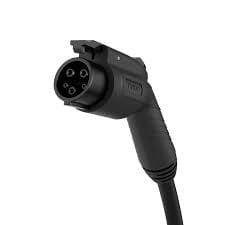
  • Level 2 Plug In Charger: Fast and Convenient EV Charging at Home

    Level 2 Plug In Charger: Fast and Convenient EV Charging at Home

    As electric vehicles (EVs) become more common, having a reliable and efficient home charging solution is essential. A level 2 plug in charger provides faster charging compared to standard outlets, making it an ideal choice for homeowners who want convenience, safety, and advanced features. With the growing adoption of EVs, level 2 plug in chargers have become a popular solution for residential charging needs.

    Why Choose a Level 2 Plug In Charger

    Level 2 plug in chargers offer several advantages over traditional Level 1 chargers that use standard 120V outlets. They operate on a 240V circuit, which allows for higher amperage and faster charging times. Most EVs can be fully charged overnight or within a few hours, making them highly practical for daily use.

    Beyond speed, modern level 2 plug in chargers often come with smart features such as Wi-Fi connectivity, app monitoring, scheduling, and energy usage tracking. These features allow homeowners to optimize their charging routine, save on electricity costs, and ensure that their EV is ready when needed.

    Types of Level 2 Plug In Chargers

    Homeowners can choose from several types of level 2 plug in charger depending on their preferences and needs:

    Standard Level 2 Plug In Chargers

    These chargers provide consistent power and faster charging times than Level 1 chargers. They are suitable for most residential setups and can fully charge EVs overnight.

    Smart Level 2 Chargers

    Smart chargers include Wi-Fi or app connectivity, enabling remote monitoring, scheduling, and notifications. Users can track energy consumption, start or stop charging remotely, and optimize usage during off-peak hours.

    Portable Level 2 Chargers

    Portable chargers provide flexibility for homeowners who may need to charge multiple vehicles or temporarily use a charger in different locations.

    Solar-Compatible Level 2 Chargers

    Some level 2 plug in chargers can integrate with solar energy systems, allowing EV owners to charge their vehicles using renewable energy and reduce electricity costs.

    Key Features to Look for in a Level 2 Plug In Charger

    When selecting a level 2 plug in charger, consider the following features:

    1. Charging Speed: Higher amperage provides faster charging times.
    2. Connectivity: Smart features like Wi-Fi or app integration improve convenience and efficiency.
    3. Safety Features: Overload protection, surge protection, and temperature monitoring ensure safe operation.
    4. Compatibility: Ensure the charger supports your EV’s plug type and battery capacity.
    5. Installation: Professional installation ensures compliance with electrical codes and optimal performance.

    Benefits of a Level 2 Plug In Charger

    Investing in a level 2 plug in charger provides several advantages:

    • Faster Charging: Significantly reduces charging times compared to standard outlets.
    • Convenience: Charge your EV safely at home without relying on public chargers.
    • Energy Efficiency: Smart scheduling helps reduce electricity costs.
    • Safety: Built-in protections prevent overcharging, overheating, and electrical hazards.
    • Eco-Friendly Options: Solar-compatible chargers reduce reliance on grid electricity and promote sustainability.

    Installation Considerations

    Level 2 plug in chargers require a dedicated 240V circuit and professional installation to ensure safety and compliance with local electrical codes. Proper placement in a garage, carport, or driveway ensures easy access and minimizes cable hazards.

    Outdoor chargers should be weatherproof, while indoor installations should consider space and cable management. Professional installation ensures optimal performance, long-term safety, and reliable operation.

    Trends in Level 2 Plug In Chargers in 2026

    The EV charging industry is rapidly evolving:

    • Smart Home Integration: Level 2 chargers now connect with home automation systems for efficient energy management.
    • Energy Monitoring: Advanced analytics allow homeowners to track electricity usage and optimize charging schedules.
    • Portable and Compact Designs: Flexible options for multi-vehicle households.
    • Sustainable Energy Integration: Solar-compatible chargers help reduce environmental impact and energy costs.

    FAQs

    1. How fast can a level 2 plug in charger charge an EV?
      Most level 2 chargers can fully charge an EV in 4 to 8 hours, depending on battery size and charger output.
    2. Can a level 2 plug in charger be installed outdoors?
      Yes, many level 2 chargers are weatherproof and suitable for outdoor installation, but professional installation is recommended.
    3. Does a level 2 plug in charger save money on electricity bills?
      Yes, by using smart scheduling and off-peak hours, homeowners can reduce electricity costs while efficiently charging their EVs.

    Conclusion

    A level 2 plug in charger is an essential solution for homeowners who want fast, safe, and efficient EV charging. With advanced features, smart monitoring, and the ability to integrate with renewable energy sources, these chargers provide convenience, safety, and sustainability. Investing in a quality level 2 plug in charger ensures your EV is always ready for daily use while optimizing energy efficiency and supporting modern, eco-friendly living.

  • Add Image in PDF on Windows and Mac with PDF Editify

    Add Image in PDF on Windows and Mac with PDF Editify

    Adding visuals to a document can instantly improve its clarity and professionalism. Whether you need to place a company logo on an invoice, insert a signature into a contract, or add screenshots to a report, knowing how to add image in PDF files is an essential skill. Many users assume that editing a PDF requires complex software, but modern online tools have made the process much easier.

    In this guide, we’ll explore how to add image in PDF on both Windows and Mac using PDF Editify, while also covering how to edit PDF files and redact PDF content when necessary.

    Why You May Need to Add Image in PDF

    PDF files are widely used for official documentation because they preserve formatting across devices. However, there are many situations where you may need to insert an image into PDF documents after they’ve already been created.

    For example, businesses often need to add logos to branded documents. Students may want to insert diagrams or screenshots into assignments. HR teams frequently place scanned signatures or ID images into employment forms. In marketing and sales, teams add product images to PDF brochures and catalogs.

    Instead of recreating the entire document, using a tool like PDF Editify allows you to directly edit PDF files and place images exactly where needed.

    Add Image in PDF on Windows

    If you are using a Windows PC, the process to add image in PDF using PDF Editify is simple and requires no installation.

    First, open your preferred browser on Windows and access the PDF Editify editor. Upload the PDF file you want to modify. Once the file loads, choose the “Add Image” option from the editing toolbar.

    Select the image file from your computer. The tool will insert the image into PDF instantly. You can then resize, rotate, or reposition the image to fit your document layout. If you are adding a logo, you can adjust its placement to the header or footer area. If you are inserting a signature, you can align it precisely with the designated signature line.

    After adjusting the image placement, save the updated file. The document will maintain its original formatting while incorporating the new visual element.

    Windows users particularly benefit from browser-based tools because they eliminate compatibility issues and allow seamless editing without additional software.

    Add Image in PDF on Mac

    Mac users can follow nearly identical steps to insert image into PDF files. Open Safari, Chrome, or any browser on macOS and access PDF Editify. Upload your PDF file and select the image insertion feature.

    Once the image is added, you can drag and drop it anywhere on the page. Mac trackpads make resizing especially intuitive, allowing smooth control over the image dimensions.

    Because PDF Editify works in the cloud, there is no difference in performance between Windows and Mac systems. The experience remains consistent, ensuring you can edit PDF documents regardless of your operating system.

    This cross-platform compatibility is especially useful for teams that collaborate across different devices.

    How to Properly Position and Resize Images

    When you add image in PDF documents, correct positioning is crucial for maintaining a professional appearance. After inserting an image into PDF, always check alignment and margins.

    If the image is too large, reduce its size while maintaining its aspect ratio to prevent distortion. For logos, placing them in the header ensures brand consistency. For scanned signatures, align them precisely above the printed name.

    It’s also important to ensure that the image does not overlap existing text. Use the layering and placement controls to maintain document readability.

    By taking these steps, you can edit PDF files cleanly without disrupting their original design.

    Editing and Redacting Content in the Same Document

    In many cases, adding an image is just one part of the editing process. You may also need to edit PDF text or redact PDF sections containing sensitive information.

    For example, if you are updating a contract, you might insert a signature image while simultaneously redacting confidential clauses. If you are preparing documents for public sharing, you may need to remove personal data before distributing the file.

    PDF Editify allows you to redact PDF content securely by permanently removing selected text or images. This ensures sensitive information cannot be recovered later.

    Combining image insertion and redaction in one workflow saves time and improves document security.

    Maintaining Quality While Adding Images

    A common concern when inserting an image into PDF files is loss of quality. To avoid pixelation, always upload high-resolution images. If you are adding a company logo, use a PNG file with a transparent background for cleaner integration.

    After you add image in PDF, preview the document before finalizing. Zoom in to check clarity and alignment. Proper image formatting ensures your document looks polished and professional.

    Avoid unnecessarily large image files, as they may increase the PDF size significantly. Optimized images maintain balance between quality and file size.

    Benefits of Using PDF Editify on Windows and Mac

    Using PDF Editify to edit PDF files offers several advantages. First, it removes the need for installing heavy desktop software. Second, it works smoothly on both Windows and Mac systems. Third, it supports multiple editing features including image insertion, text modification, and redact PDF functionality.

    Because it is browser-based, users can access it from anywhere. Whether you are working from home, in the office, or traveling, you can quickly add image in PDF documents without technical complications.

    This flexibility is especially valuable for professionals who handle contracts, reports, invoices, and application forms regularly.

    Final Thoughts

    Knowing how to add image in PDF on Windows and Mac is an essential skill for modern document management. From inserting logos and signatures to enhancing reports with visuals, the ability to insert image into PDF files ensures your documents remain accurate and professional.

    With PDF Editify, you can edit PDF content, resize and position images precisely, and even redact PDF sections securely — all within a simple, user-friendly interface.

    By mastering these tools, you can save time, maintain branding consistency, and ensure document accuracy across all your devices.

  • MAS Singapore Regulations and Why Proof of Income Matters for Financial Compliance

    MAS Singapore Regulations and Why Proof of Income Matters for Financial Compliance

    Singapore has become one of the top financial centers in the world, and this is due to the robust regulation regime. The Monetary Authority of Singapore (MAS Singapore) is a body that is at the centre of ensuring financial stability, money laundering, and integrity in the operations of institutions. Financial institutions need to tighten their customer verification procedures such as collection of evidence of income and its validation as regulatory regulations are scrutinized.

    The MAS Singapore has stringent compliance levels within anti-money laundering and counter-terrorism financing regulations. Financial institutions, fintech business, and digital asset systems must have a thorough Know Your Customer process. Such measures are not restricted to identity document checks. They also imply the knowledge of the financial background of the customer, his/her transactional patterns, and risk profile.

    Evidence of income has become a significant element of enhanced due diligence. Checking income sources help the institutions to determine the financial activity of a customer based on their reported income. This minimizes the possibilities of suspicious transactions and assists in identifying the possible money laundering scheme.

    As an example, the discrepancy can be a red flag in the case when a customer states the modest monthly income and does the high-value financial transactions. Gathering evidence of income documents including the pay slips, tax returns or employer letters enable institutions to conduct correct risk assessment. Income verification is also essential to the credit risk analysis in controlled areas such as lending, wealth management, and digital banking.

    The regulatory requirements by MAS Singapore focus on risk-based requirements. This implies that the businesses need to assess the levels of customer risk and implement improved verification where it is critical. The risky customers might need more income evidence and continuous monitoring. This is a proactive measure that cushions the financial institutions against regulatory fines and image loss.

    Technology is also increasingly becoming more involved in the automation of proof of income verification. The AI-based systems will be able to extract data in uploaded documents, identify inconsistencies, and indicate possible manipulation. Automation is also quickening the onboarding process, as well as minimizing human error and operational expenses.

    In the case of fintech startups entering the Singapore market, it is essential to be aligned with the requirements of MAS Singapore from the beginning. Obedience is not a mere legal requirement, it is a cornerstone to long term development. Their investors and partners will prefer to work with businesses that have good governance structures and clear-cut risk management structures.

    On top of compliance with regulations, evidence on income confirmation improves customer confidence. Open financial evaluation leads to reasonable lending and affordable financial services. The customers enjoy a safe environment in which the institutions are vigilant to stop financial crime and fraud.

    Digitally speaking, high-intent traffic is captured through the keywords such as MAS Singapore and evidence of income. The compliance professionals, fintech founders, and financial service providers are some of the usual sources of these searches. Production of authoritative content pertaining to these subjects makes the businesses appear as informed agents of regulatory compliance.

    Cross-border transactions are becoming increasingly popular in an ever-networked financial ecosystem. When an institution is working internationally, it must be made sure that the standards applied in the application of the verification are in accordance with the regulatory expectations of Singapore and be flexible enough to accommodate other jurisdictions. Income verification proof is an international compliance pillar that reinforces AML mechanisms across the world.

    In summary, MAS Singapore laws pose high demands on the financial institutions operating in the area. To achieve these expectations, it is necessary to incorporate effective evidence of income verification into the onboarding and monitoring procedures. Compliance will not only become increasingly sustainable and trustworthy, but also help businesses develop long-lasting technology-driven compliance frameworks by taking the initiative instead of relying on reactive strategies.


  • Why Proof of Address and Proof of Income Are Critical for Modern Compliance Frameworks

    Why Proof of Address and Proof of Income Are Critical for Modern Compliance Frameworks

    In the modern digital economy, where individuals utilize online channels as the primary choice, financial companies and online services have to do much more than mere identity checks. The regulators around the world now want businesses to adopt elaborate compliance systems that curb fraud and money laundering, and promote financial transparency. Proof of address and proof of income are two important elements of such structures.

    Although some organizations firstly concentrate on gathering IDs issued by the government, it is already not enough. Fraudsters have also evolved and are now employing fake identities and fabricated documents to go through simple verification procedures. It is at this point that layered verification is needed.

    Evidence of address is also critical in establishing that a customer is truly living at the location that he or she purports to be living. Some of the documents that are commonly accepted include utility bills, bank statements, tenancy agreements or correspondence by the government. Residential information verification assists institutions to identify the mismatch of identity and fraudulent account creation.

    Evidence of earnings, in its turn, supports financial risk evaluation. Salary slip, tax returns, letters written by the employer, and bank transaction slips give an insight into the earning potential of a customer. This is especially so in lending, issuing credits, provision of investment services and high-value transactions.

    Together with proof of address and proof of income, this results in a multi-dimensional customer profile. Companies can not only confirm the identity of the customer, as well as his or her location, but also determine whether he or she is financially active according to the stated income. This strategy would save a lot on regulatory punishment.

    The higher-risk customers are more and more subjected to the increased due diligence demanded by financial regulators. When a customer is involved with abnormally huge transactions based on their income level, then the institutions should have to look into it. It is hard to detect such discrepancies without verifying incomes.

    Verification has been facilitated by technology and it is more reliable. AI-assisted document authentication systems can recognize document tampering and document metadata, as well as compare derived data and official databases. Onboarding the automation is less frictional but with high levels of compliance.

    Nevertheless, adherence should be moderate to privacy of the data. Companies are advised to use encryption protocols, secure storage as well as limited data retention policies. Gathering evidence on address and evidence on income is accompanied with a liability, particularly in stringent laws of data protection.

    In terms of business development, effective compliance systems are not as defensive as they used to be. They are differentiators of a competitive nature. The companies that prove the secure and transparent onboarding procedures receive the trust of the regulators, investors, and the customers.

    In addition, the search trends indicate the increased interest on the compliance-related documentation requirements. Organizations are eager to get advice on how they can handle evidence of address and evidence of income effectively. Relevant content on these topics should be published as an authority to enable businesses to target high-intention traffic and become thought leaders.

    Living in a world where regulatory scrutiny is becoming more and more a global trend, basic ID checks are a dangerous approach. When businesses add verified layers such as address verification and income verification, business will be in a better position to grow safely and sustainably.

    Finally, evidence of address, and evidence of income are not only compliance requirements, but they are central pillars of contemporary financial integrity. Firms taking these factors into consideration will minimize fraud, increase trust and long-term compliance with the regulations.


  • From Small Account to Big Influence: How to Increase Twitter Followers and Buy Likes Effectively 

    From Small Account to Big Influence: How to Increase Twitter Followers and Buy Likes Effectively 

    Building a strong social media presence is no longer limited to one platform. Today, individuals and businesses aim to grow across multiple networks to maximize visibility and influence. Platforms like Twitter and Jaco offer excellent opportunities to connect with audiences, share ideas, and promote brands. However, growing from a small account into a recognizable online presence requires the right strategies and consistent effort.

    Many creators start with the goal of because Twitter remains one of the most effective platforms for sharing news, updates, and opinions. A growing follower base increases credibility and encourages more users to interact with your content. At the same time, expanding to new platforms such as Jaco can help diversify your audience and strengthen your digital presence.

    Building a Strong Foundation

    Before focusing on rapid growth, it is important to establish a solid foundation. Profiles should be complete and professional, including a clear profile picture, engaging bio, and relevant links. These elements help create a strong first impression for visitors.

    Users who aim for steady زيادة متابعين جاكو should focus on creating content that matches the platform’s style. Consistency and creativity are essential for attracting and retaining followers.

    Posting regularly and maintaining a clear content theme allows audiences to understand what your account offers. Over time, this leads to better engagement and growth.

    Growing Twitter Followers Effectively

    Twitter growth depends heavily on interaction and timely content. Sharing useful information, trending topics, and engaging posts can attract new followers.

    Many creators prioritize زيادة متابعين تويتر because a strong Twitter presence improves brand recognition and online authority. Accounts with more followers are often perceived as more reliable and influential.

    Effective strategies include:

    • Posting consistently

    • Using trending hashtags

    • Engaging with other users

    • Sharing valuable insights

    • Participating in discussions

    These practices help build a loyal and active audience.

    Expanding Your Presence on Jaco

    Jaco is becoming increasingly popular among content creators looking for new audiences. Growing on this platform requires a unique approach that focuses on engaging and entertaining content.

    Creators who aim for consistent زيادة متابعين جاكو often experiment with different content styles to discover what works best. Testing various formats helps identify audience preferences and improves performance over time.

    Building a presence on multiple platforms also increases overall visibility and creates more opportunities for growth.

    The Role of Likes in Social Media Growth

    Likes are an important measure of engagement. Posts that receive strong interaction are more likely to be seen by larger audiences.

    Some creators use services such as شراء لايكات to improve their content’s visibility and social proof. When posts receive more engagement, they often attract additional organic interaction.

    However, likes should support a strong content strategy rather than replace it. High-quality posts remain the key to long-term success.

    Combining Organic Growth and Professional Services

    The most effective growth strategies combine organic methods with professional support. Organic growth builds trust, while professional services improve visibility.

    A balanced strategy may include:

    • Regular posting

    • Audience interaction

    • Content improvement

    • Strategic promotion

    Creators who consistently work on زيادة متابعين تويتر and engagement often see steady progress.

    Professional services can help new accounts gain initial momentum and compete with established profiles.

    Safe Practices for Buying Likes

    Using professional services requires careful planning. Choosing reliable providers helps protect accounts and ensures better results.

    Important guidelines include:

    1. Avoid unrealistic offers

    2. Choose trusted providers

    3. Grow gradually

    4. Monitor performance

    5. Maintain content quality

    These practices make شراء لايكات safer and more effective.

    Long-Term Growth Strategy

    Sustainable growth requires patience and consistency. Successful accounts focus on building real connections with their audiences.

    A long-term strategy includes:

    • Regular updates

    • Engaging content

    • Audience interaction

    • Continuous improvement

    Creators who focus on steady زيادة متابعين جاكو and strong engagement build lasting influence.

    Conclusion

    Growing from a small account to a strong social media presence requires both strategy and dedication. Platforms like Twitter and Jaco provide excellent opportunities for creators who are willing to invest time and effort.

    By combining organic growth with smart promotion and responsible شراء لايكات, users can improve visibility and credibility.

    With consistency and the right approach, anyone can transform a small account into a powerful online presence.


  • Proof of Address: Importance, Compliance Requirements, Challenges, and Industry Use Cases

    Proof of Address: Importance, Compliance Requirements, Challenges, and Industry Use Cases

    In today’s highly regulated global economy, proof of address (PoA) has become a critical requirement for identity verification, regulatory compliance, and fraud prevention. Whether opening a bank account, registering a business, applying for a loan, or onboarding a new customer digitally, proof of address plays a central role in establishing trust and legitimacy.

    This comprehensive guide explores what proof of address is, why it matters, compliance requirements, common challenges, industry use cases, and the benefits of effective proof of address verification systems.

    What Is Proof of Address?

    Proof of address refers to a document or digital record that verifies an individual’s residential address. It confirms that a person resides at a specific location and is often required alongside proof of identity (such as a passport or driver’s license).

    Common examples of proof of address documents include:

    • Utility bills (electricity, water, gas)
    • Bank statements
    • Credit card statements
    • Government-issued letters
    • Rental or lease agreements
    • Mortgage statements
    • Tax documents
    • Insurance policy documents

    Typically, these documents must be recent—usually issued within the last 3 months—to ensure accuracy.

    Why Proof of Address Is Important

    Proof of address verification is essential for multiple reasons:

    1. Regulatory Compliance (KYC and AML)

    Financial institutions and regulated entities must comply with Know Your Customer (KYC) and Anti-Money Laundering (AML) regulations. Verifying a customer’s address helps prevent fraud, identity theft, terrorist financing, and money laundering.

    2. Fraud Prevention

    Fraudsters often use fake identities or incorrect addresses. Verifying proof of address reduces the risk of financial crime and ensures organizations transact with legitimate individuals.

    3. Risk Assessment

    Address verification helps assess customer risk profiles. Certain regions may have higher risk ratings due to fraud patterns or regulatory scrutiny.

    4. Legal Accountability

    A verified address ensures that legal notices, communications, and contracts can be delivered accurately.

    Compliance Requirements for Proof of Address

    Compliance standards vary by jurisdiction, but most regulatory bodies require:

    1. Valid and Recent Documentation

    Documents must be issued by recognized authorities and dated within a specific time frame (typically 90 days).

    2. Name Matching

    The name on the proof of address must match the name on the identification document.

    3. Complete Address Information

    The document must clearly display:

    • Full name
    • Residential address
    • Issuer details
    • Issue date

    4. Enhanced Due Diligence (EDD)

    For high-risk individuals, additional verification steps may be required, such as secondary address confirmation or independent database checks.

    Regulatory frameworks such as FATF guidelines, EU AML Directives, and FinCEN requirements emphasize strict address verification procedures.

    Industries That Require Proof of Address

    Many industries rely on proof of address verification as part of their onboarding and compliance processes.

    1. Banking and Financial Services

    Banks, credit unions, fintech companies, and lending institutions require proof of address for:

    • Opening accounts
    • Issuing credit cards
    • Loan applications
    • Investment accounts

    2. Cryptocurrency Exchanges

    Crypto platforms must comply with AML regulations and often require proof of address during user onboarding.

    3. Insurance Companies

    Insurers verify addresses to determine policy eligibility, risk pricing, and claims processing.

    4. Telecommunications

    Mobile and broadband providers require proof of address to activate services and prevent fraud.

    5. Real Estate and Property Management

    Landlords and property managers request proof of address during tenant screening processes.

    6. Government Services

    Public agencies require proof of address for benefits, tax registration, and voter registration.

    Common Challenges in Proof of Address Verification

    Despite its importance,  address verification presents several operational and compliance challenges.

    1. Document Forgery and Fraud

    Fraudsters can manipulate utility bills or bank statements using editing software. Detecting forged documents requires advanced verification tools.

    2. Inconsistent Documentation Standards

    Different countries and institutions accept different types of documents, creating compliance complexities for global businesses.

    3. Digital Onboarding Barriers

    In remote onboarding scenarios, customers may struggle to upload clear documents, leading to delays or rejections.

    4. Address Format Variations

    International address formats vary significantly, making automated verification difficult.

    5. Exclusion of Underserved Populations

    Some individuals—such as students, migrants, or people living in shared housing—may not have traditional proof of address documents in their name.

    6. Data Privacy Concerns

    Organizations must comply with data protection laws such as GDPR when handling sensitive address information.

    Use Cases of Proof of Address Verification

    Proof of address plays a critical role in multiple real-world scenarios:

    1. Digital Customer Onboarding

    Fintech apps use automated document verification systems to validate proof of address during account creation.

    2. Loan Approval Process

    Lenders verify addresses to assess creditworthiness and confirm residency stability.

    3. Cross-Border Transactions

    Financial institutions verify addresses to ensure compliance with international regulations.

    4. E-commerce Seller Verification

    Online marketplaces require sellers to verify their address to prevent fraudulent listings.

    5. Corporate Account Opening

    Businesses must submit registered office address documents when opening corporate bank accounts.

    Benefits of Effective Proof of Address Verification

    Implementing a robust proof of address verification system offers several advantages:

    1. Reduced Fraud Risk

    Automated verification tools detect inconsistencies, reducing exposure to fraud.

    2. Improved Compliance

    Organizations meet regulatory obligations and avoid penalties.

    3. Faster Customer Onboarding

    Digital document verification speeds up approval processes.

    4. Enhanced Customer Trust

    Customers feel more secure knowing institutions prioritize identity protection.

    5. Operational Efficiency

    Automation reduces manual review workloads and lowers costs.

    Digital Transformation in Proof of Address Verification

    With the rise of digital identity solutions, organizations are moving beyond manual document checks.

    Emerging Technologies Include:

    • AI-powered document verification
    • Optical Character Recognition (OCR)
    • Address database cross-checking
    • Biometric verification integration
    • Blockchain-based identity solutions

    These technologies enhance accuracy, reduce onboarding time, and improve compliance reporting.

    Best Practices for Organizations

    To ensure effective proof of address compliance, organizations should:

    1. Define clear documentation standards.
    2. Implement automated verification tools.
    3. Regularly update compliance policies.
    4. Train compliance teams on fraud detection.
    5. Ensure secure data storage and encryption.
    6. Offer alternative verification methods where appropriate.

    The Future of Proof of Address Verification

    As digital identity ecosystems evolve, proof of address verification is becoming more streamlined and secure. Governments and private organizations are exploring digital identity wallets and centralized verification databases to simplify compliance processes.

    However, balancing security, accessibility, and privacy remains a challenge. Organizations must continue adapting to regulatory updates and technological advancements.

    Conclusion

    Proof of address is a cornerstone of identity verification, regulatory compliance, and fraud prevention across multiple industries. From banking and fintech to telecommunications and government services, accurate address verification ensures security, transparency, and accountability.

    While challenges such as document fraud, regulatory variations, and digital onboarding complexities exist, modern verification technologies are transforming the process. By implementing robust compliance strategies and leveraging automation, organizations can reduce risk, improve operational efficiency, and enhance customer trust.